
The alarm goes off at 4:47 a.m in Pieter Loubser’s farmhouse in Worcester, South Africa. In the dairy barns, his cattle are already stirring —their internal rhythms demand a consistent milking schedule every single day.
Across Worcester, motors begin to turn. Processing plants and farms drive a morning industrial demand of 16 megawatts, powered by an integrated system that draws wind, solar, and grid sources. The result is a two-way energy flow that helps stabilize supply and demand.
Inside Africa’s first utility-scale battery energy storage facility of its kind, batteries discharge up to five uninterrupted hours of power. No load shedding. No uncertainty.
With 100 megawatts hours of stored energy helping keep Worcester running, the project represents more than a local success—it signals what is possible across Africa. The initiative was supported by a $57.67 million concessional co-investment from Clean Technology Fund, channelled through the African Development Bank.
A Continental First
“This was new technology for everybody,” said Lwando Limba, Programme Manager at Eskom, South Africa’s electricity public utility. “The batteries themselves are the first of their kind in South Africa as well as on the continent.”
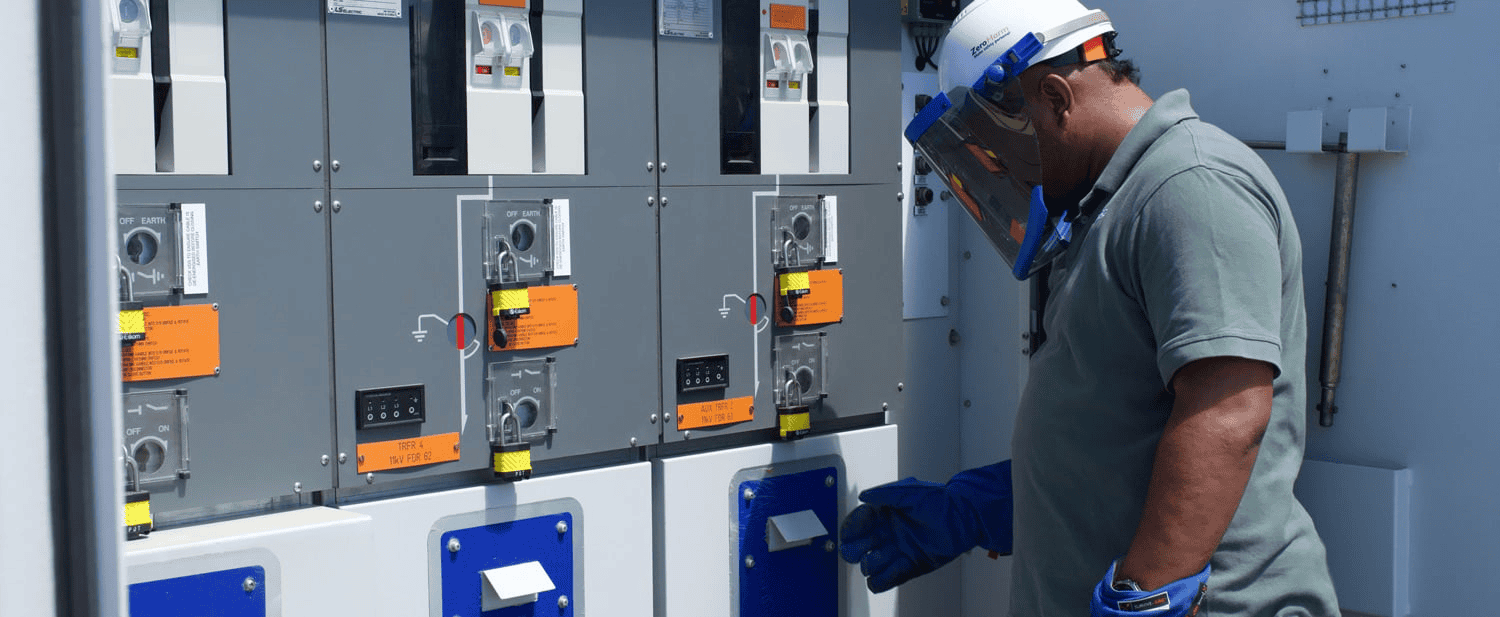
The HEX Battery Energy Storage System (BESS) is Africa’s first utility-scale unit and it represents a crucial step in South Africa’s energy transition. Implemented by Eskom in partnership with South Korea’s Hyosung Heavy Industries, the facility deploys advanced lithium-ion battery technology, with more than 360 batteries delivering 20MW/100 MWh of energy storage capacity.
HEX, the flagship site in Worcester, along with additional facilities at Graafwater and Paleisheuwel in the Western Cape, demonstrates the impact of strategic investment: reduced risk, proven feasibility, and a model for continental replication.
The facility received its completion certificate on June 30, 2023, following successful testing and cold commissioning, and began commercial operations on October 27, 2023.
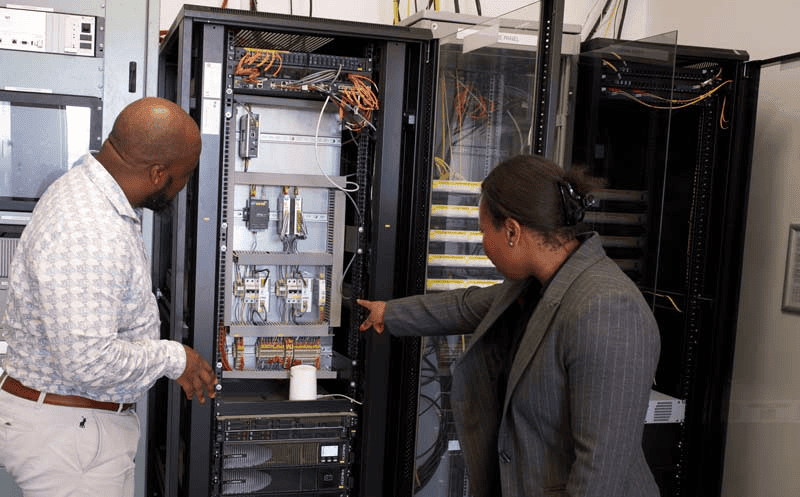
“The wind blows sometimes when energy demand is low – typically at night when people are asleep,” explains Promise Ntuli, Senior Manager for Maintenance and Operations at Eskom Distribution Western Cape.”
The storage system captures that excess nighttime wind generation and releases it at dawn, precisely when factories start up and farms begin their daily cycles.
Protecting the Backbone
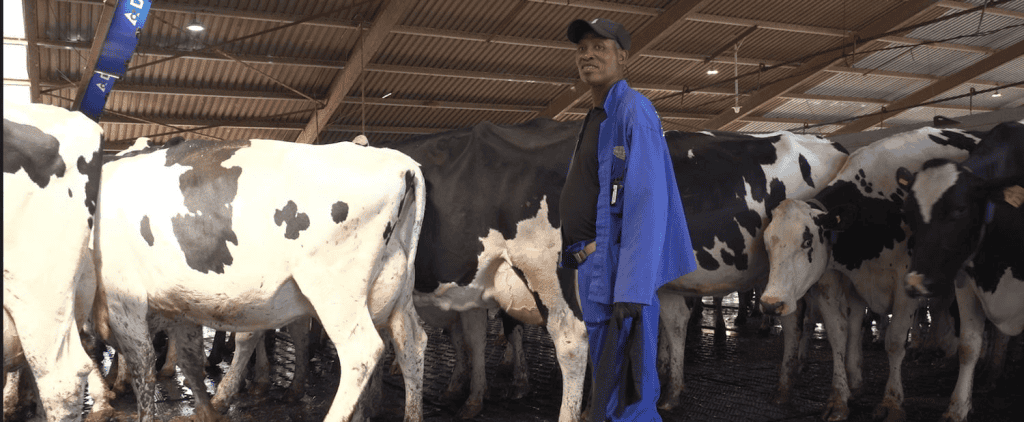
For dairy farmer Pieter Loubser, electricity is not a convenience—it is existential. “When it comes to dairy cattle, one of the most important factors is consistency every day,” he said. “The cows don’t want surprises; they want the same time of feeding, the same time of milking. Luckily, load shedding is gone, and that’s a big one for us.”
Worcester’s agricultural economy is dominated by wine and dairy farming, creating intense energy demand each morning.
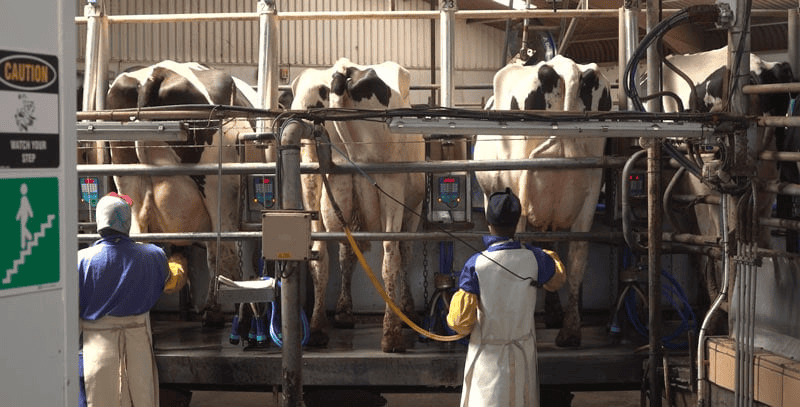
“We dispatch these batteries here to make sure customers are not affected,” said Timothy Nzimande, Eskom Senior Project Engineer. “The farmers can still run their motors without any problems.”
Project leaders emphasize that success has extended beyond technical performance. Mbulelo Mvana of Eskom’s Stakeholder Relations department noted three priorities: recruiting local labour, supporting small and medium enterprises, and investing in corporate social responsibility. “This project was not just about bringing infrastructure — we wanted to give back from a socioeconomic point of view,” Myana said.
A Classroom for the Continent
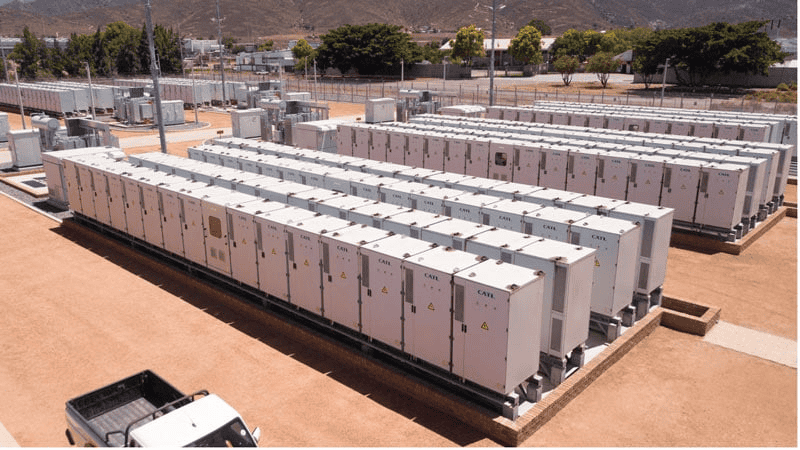
“We have had specialists all over the world coming through to have a look at this specific site,” Limba said. “They can take whatever knowledge they need. This project has taught us work sequencing, procurement timelines, logistics, and safety. We’re sharing these lessons with others who want to learn from our experience.”
Reshaping Policy Across Borders
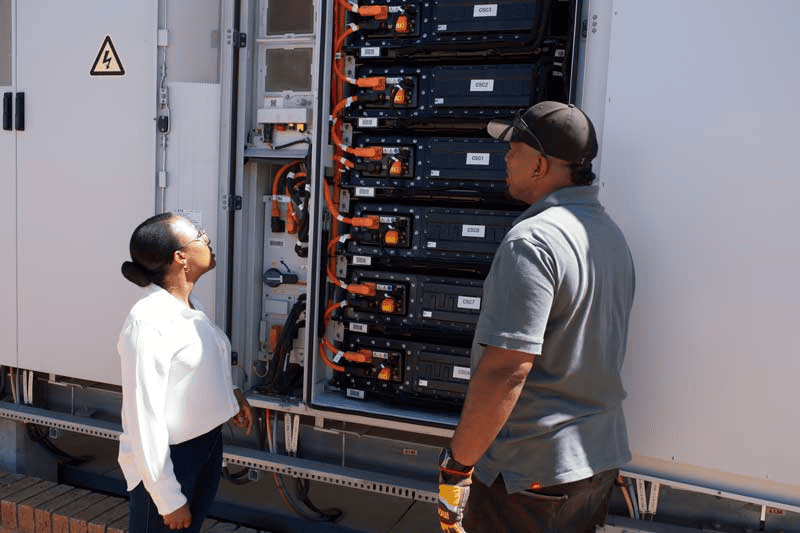
Anthony Karembu, Principal Energy Specialist at the African Development Bank, explains the projects broader impact: “South Africa was the first to jump into the pool and go for this innovative technology. The success of this is already reshaping policies across the continent, where countries are now incorporating BESS technology into their master plans, just because HEX worked and HEX is operational.”
Eskom Senior Manager Ntuli feels confident about the future: “Eskom has established a new division, Eskom Green, that will focus on bringing in renewable energy and accompanying it with batteries so we can harness the power, store it, and use it when renewable energy is not available.”
Taken from AFDB, written on 02 March 2026