
A collaborative research effort between UK energy storage company Batri and Swansea University has resulted in the development of a cylindrical sodium-ion battery cell manufactured entirely from UK-sourced materials, a breakthrough the partners believe is the first of its kind in the country.
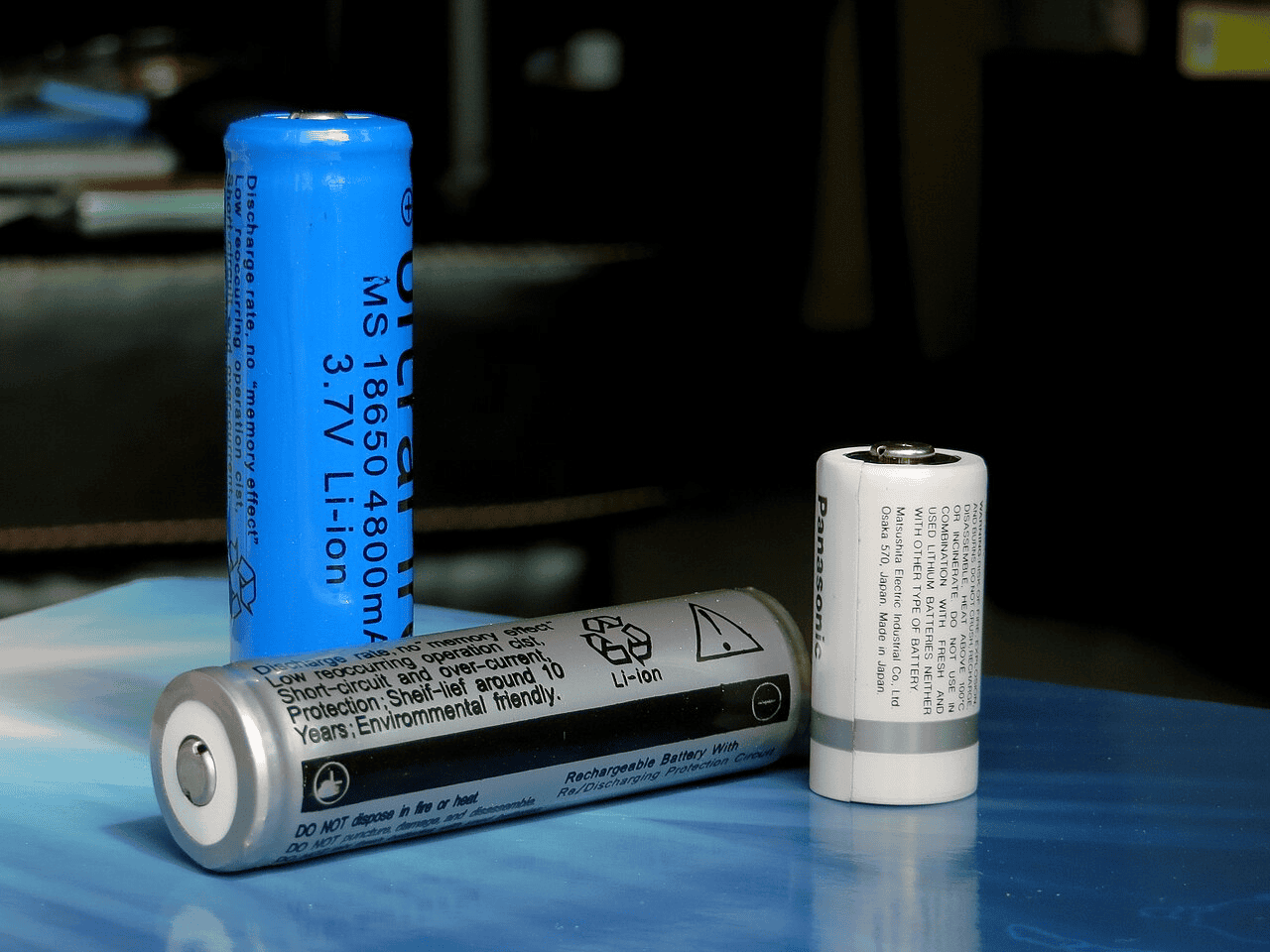
The newly developed cell uses the widely adopted 18650 cylindrical format and brings together proprietary sodium-ion chemistries created by Batri and Swansea University. A key component of the design is a composite carbon anode derived from Welsh coal, underscoring the project’s focus on local materials and domestic supply chains.
Both the anode and cathode materials used in the cell were produced in the UK, marking what Batri describes as a major step toward sovereign battery manufacturing. Stephen Hughes, Batri’s chief technical officer, called the achievement a strategic milestone, saying it demonstrates that independent battery production is not only possible in the UK but is already being realized in Wales.
The work was supported by the Faraday Institution, whose sprint funding helped accelerate development, validation, and the integration of UK-developed materials into a commercially relevant cylindrical cell design. According to Batri, the prototype signals the launch of a broader development roadmap, with additional cells already being produced as the company expands both its materials manufacturing and in-house cell assembly capabilities in Wales.
Beyond cell development, Batri is partnering with downstream integrators to bring the technology closer to market. One such collaboration involves AceOn Group, which plans to incorporate the UK-made sodium-ion cells into modular, swappable battery packs and tailored energy storage systems.
AceOn Group CEO Mark Thompson said his company will work with Batri during the next phase of development to embed the cells into scalable, interchangeable solutions designed for commercial deployment. He added that the combination of Batri’s cell technology and Swansea University’s materials science expertise shows the UK’s potential to lead in safer and more resilient alternatives to traditional lead-acid batteries and entry-level lithium-ion technologies.
Building localized supply chains has been a core objective of the Batri–Swansea partnership. Their joint research has included in-depth studies on the use of anthracite, a hard coal, as a high-performance carbon-based anode material for sodium-ion batteries. The project highlights how domestically sourced materials and academic–industry collaboration could play a growing role in strengthening the UK’s position in next-generation energy storage, a theme gaining increasing attention across the Energy News landscape.