
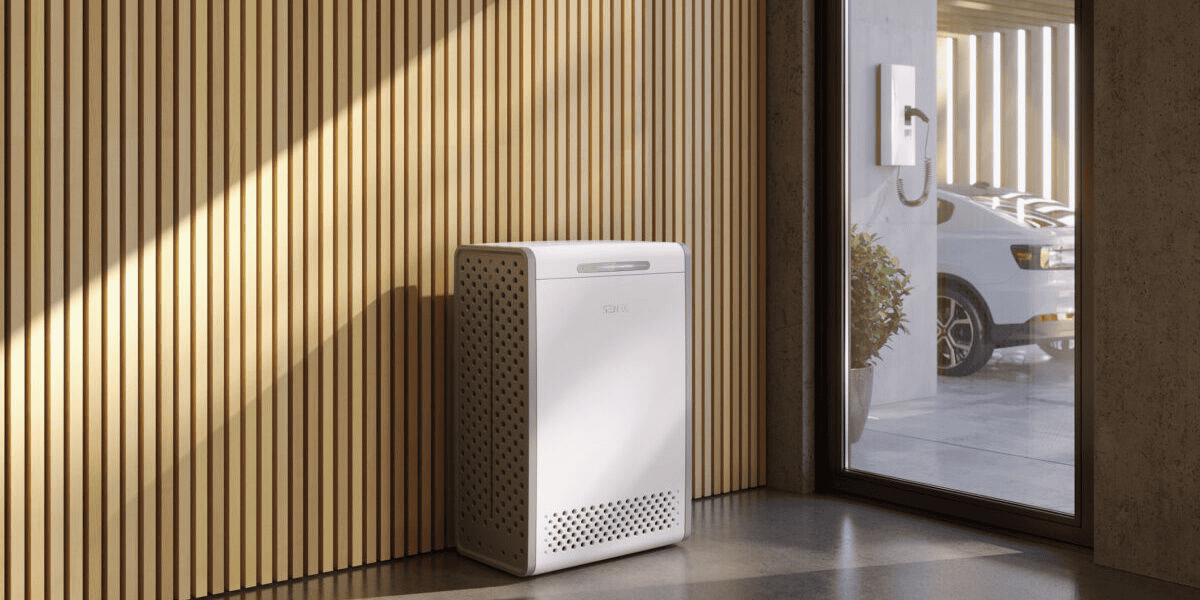
Hungary has launched a nationwide subsidy scheme aimed at accelerating residential battery adoption, opening applications under its Home Energy Storage Program. The initiative offers households non-repayable grants of up to HUF 2.5 million to support the installation of battery energy storage systems.
The program carries a total budget of HUF 100 billion, equivalent to roughly $270 million, and can cover as much as 80 percent of eligible investment costs. Average project costs for a battery and inverter system are estimated at around HUF 3.2 million per household. Support applies to systems with a minimum storage capacity of 10 kWh and can include design, permitting, construction, and related technical expenses.
Applications are open from February 2 to March 15, 2026, marking the first phase of the scheme. A second application window will begin on March 16 and run until September 30, 2026.
To qualify, applicants must install the battery system at their permanent residence and either already operate a photovoltaic system or commit to installing solar generation alongside storage. Households that have previously received public support for battery installations are excluded, although prior solar-only subsidies do not affect eligibility. Priority will be given to homes participating in, or expected to transition to, gross settlement by the end of 2030, as well as residents of rural communities with fewer than 5,000 inhabitants.
According to Secretary of State Gábor Czepek, regulatory adjustments have been introduced to broaden participation and remove technical barriers. Homeowners required to replace inverters during battery integration will retain their annual balance settlement rights until their original expiration date. Successful applicants will continue to benefit from a ten-year favorable settlement period even if system modifications are needed.
Eligibility has also been expanded to include individual entrepreneurs and primary agricultural producers, provided no economic activity takes place at the property. Residential properties owned by churches may also participate, subject to written consent and confirmation that the premises are used exclusively for housing purposes.
Administrative requirements have been simplified following a January 29 amendment. Applicants no longer need to provide documentation proving their balance settlement status, as this will be verified automatically by the National Energy Efficiency Agency, Nemzeti Energetikai Ügynökség. While applicants must still declare whether any economic activity occurs at the address, the criteria have been standardized. Inverter power limits will be determined by the existing grid connection contract, allowing for a technical tolerance of 1 kW.
The government’s objective is to significantly expand Hungary’s residential storage base. Officials estimate that the scheme could double the country’s existing household battery capacity. By strengthening distributed storage, policymakers aim to reduce electricity import dependence, relieve pressure on the national grid, and lower long-term system operating costs.